Super-midsize jet cost
Super-midsize jet cost lands between $7,200 and $10,000 an hour. A New York to Miami flight at 2h 25m typically quotes $17,500 to $24,000. These estimates cover the whole aircraft.
- $7,200–$10,000per flight hour
- 8-10seats filled
- 3,200 nmusual range
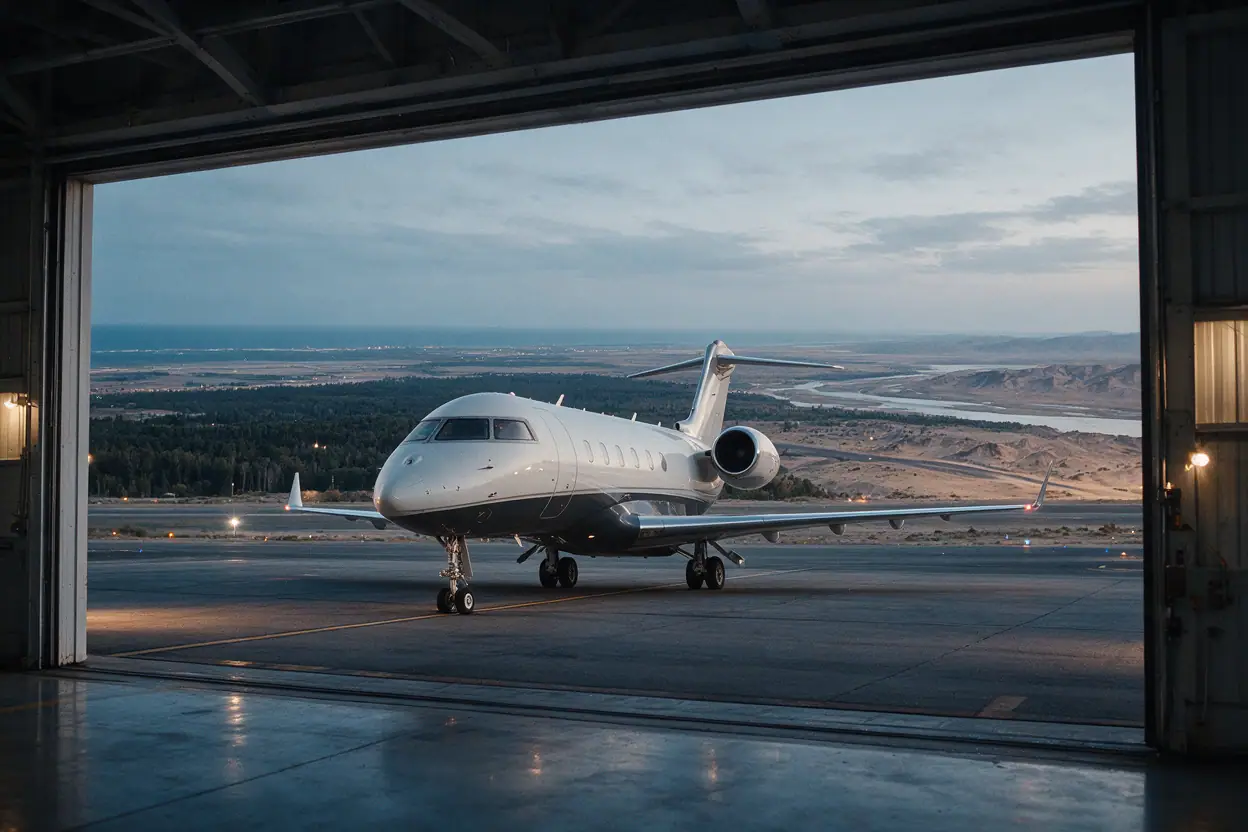
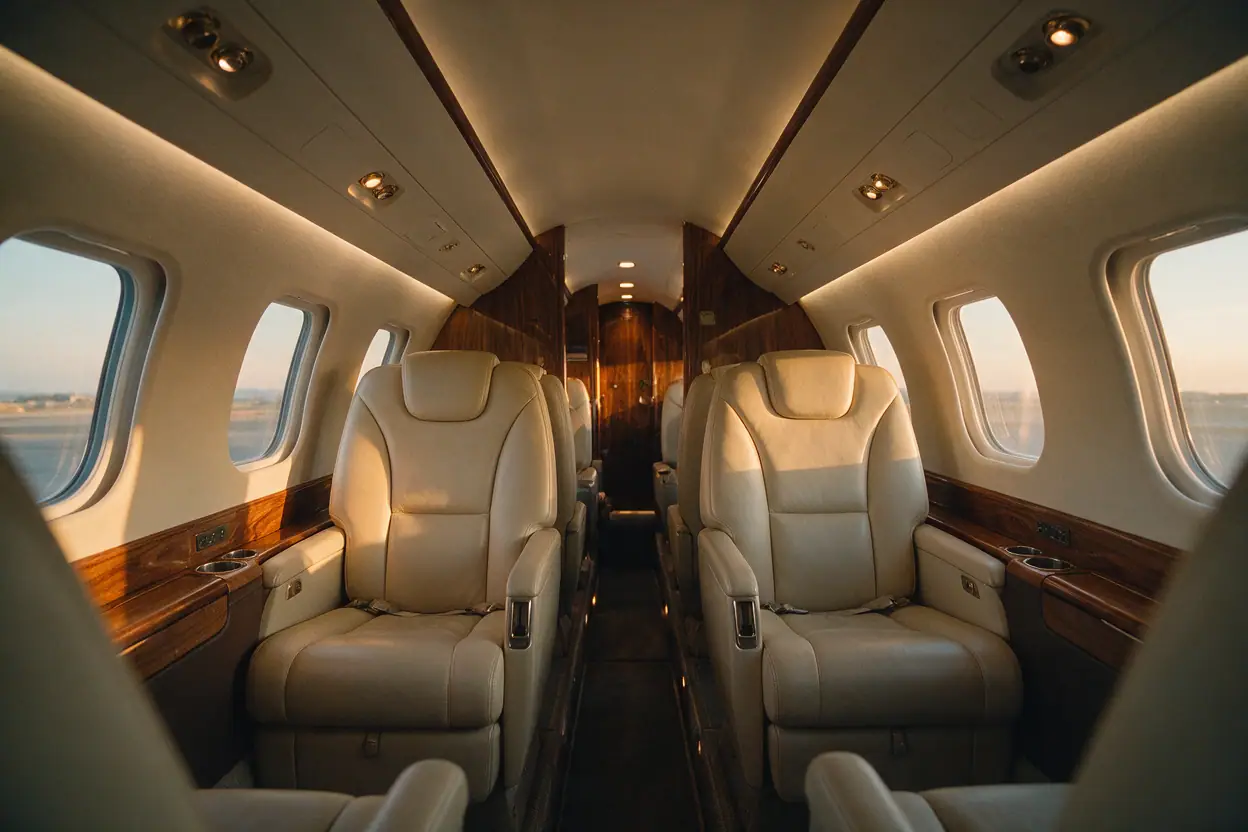
Super-midsize jet cost sits above the light and midsize classes and below the large-cabin jets, and the hourly band reflects what that extra cabin and range buy. Cruise speed runs about 470 knots with typical range near 3,200 nautical miles, so a coast-to-coast crossing works without a fuel stop. Cabins seat 8 to 10 passengers and stand about 6 feet tall, enough that most adults walk the aisle upright. Two airframes anchor the class for most quote requests: the Bombardier Challenger 350 and the Gulfstream G280.
The hourly range is a planning band, not a posted price. Every quote is built for one trip: aircraft, crew, fuel, airports and calendar. A Tuesday morning in February prices differently from the Friday before a holiday, and the gap can be wide. Ask for the estimate in writing, note what it includes, and compare it against the other classes before you decide the extra cabin height and range earn the spend.
Charter pricing for this class usually takes one of two shapes. The first is an hourly figure multiplied by flight time plus a positioning allowance. The second folds fuel, crew, landing and handling into one total. Both are legitimate, and the difference shows when a trip changes. If your departure slips by a day, then a total-price quote is easier to re-cut than a bare hourly rate.
For a single traveler the math rarely points here. Super-midsize makes sense when the group is six or more and the leg is long, or when the schedule cannot bend. A Los Angeles to Las Vegas hop at 45 minutes quotes $7,200 to $10,000, which is a lot of cabin for a short ride. A New York to Los Angeles crossing at 5h 03m is where range and seat width earn their keep.
Fuel is the largest single input and the one that moves most. Jet fuel prices shift weekly, and the hourly band reflects that spread rather than a fixed tariff. Crew duty rules matter on long days: a morning westbound flight is straightforward, while the same trip after a full working day can require an extra crew member and a higher quote. Landing and handling fees at busy airports add a few thousand dollars on their own, and the airport sets those fees, not the aircraft.
Cabins differ enough to matter on a long leg. The Challenger 350 carries 10 passengers with 106 cubic feet of baggage, and the G280 carries 9 with 154. If your group travels with golf bags or ski equipment, then the larger baggage bay decides the airframe, so ask for both numbers before you choose.
Bombardier Challenger 350
The Challenger 350 seats up to 10 with a cabin 6 feet tall and 25 feet 2 inches long, cruising at 470 knots over a 3,200 nautical mile range. Baggage measures 106 cubic feet, enough for a family's luggage on a week away. Quotes for it sit inside the $7,200 to $10,000 hourly band.
- 10 pax
- 470 kt cruise
- 3,200 nm range
- 106 cu ft luggage
- 868 recorded in US
Gulfstream G280
The G280 seats 9 and flies slightly faster at 482 knots, with 3,600 nautical miles of range and a cabin 6 feet 3 inches tall. The real differentiator is baggage: 154 cubic feet, roughly half again the Challenger 350's figure. On a Denver to Aspen winter run at 31 minutes, that bay swallows skis and boots for the whole group. Expect quotes in the same hourly band, nudged by crew and airport fees.
- 9 pax
- 482 kt cruise
- 3,600 nm range
- 154 cu ft luggage
- 289 recorded in US
When a super-midsize jet fits your trip
- Your group is six or more and the trip runs longer than two hours. Below that, a midsize jet does the same job for less, and cabin height stops being the deciding factor. A short hop with four passengers rarely justifies the super-midsize hourly band.
- The route is coast to coast. New York to Los Angeles at 5h 03m is a nonstop leg in this class, and the estimate runs $36,500 to $50,500 for the aircraft. Westbound headwinds can stretch the block time, so plan the arrival with slack.
- You need the baggage. Golf trips, ski weeks and film or sample cases fit the G280 bay at 154 cubic feet without anyone checking a bag at a counter. If ski season lands your Denver to Aspen run in a storm week, then confirm the diversion terms up front.
- The schedule is tight and the airports are small. A Friday afternoon departure does not mean a terminal queue at a hub. When the field is tiny and the forecast is low, then runway length and density altitude drive the aircraft call.
What the estimate does not cover
Quotes are estimates and move with fuel, crew availability, airport fees and the calendar. A price quoted in spring will not hold into a holiday week, and a one-way trip with an empty return leg carries a positioning cost that a round trip avoids. If your plans shift by a day, then ask how the quote is re-cut before you commit. Get the change terms in writing, and compare the total against a midsize figure on the same route.
Super-midsize jet costs along frequent routes
Route estimates show how the hourly rate turns into a real quote. Short hops carry a higher effective cost per hour because fixed fees do not shrink with distance. Long legs spread those fees across more flight time, so the per-hour figure looks better.
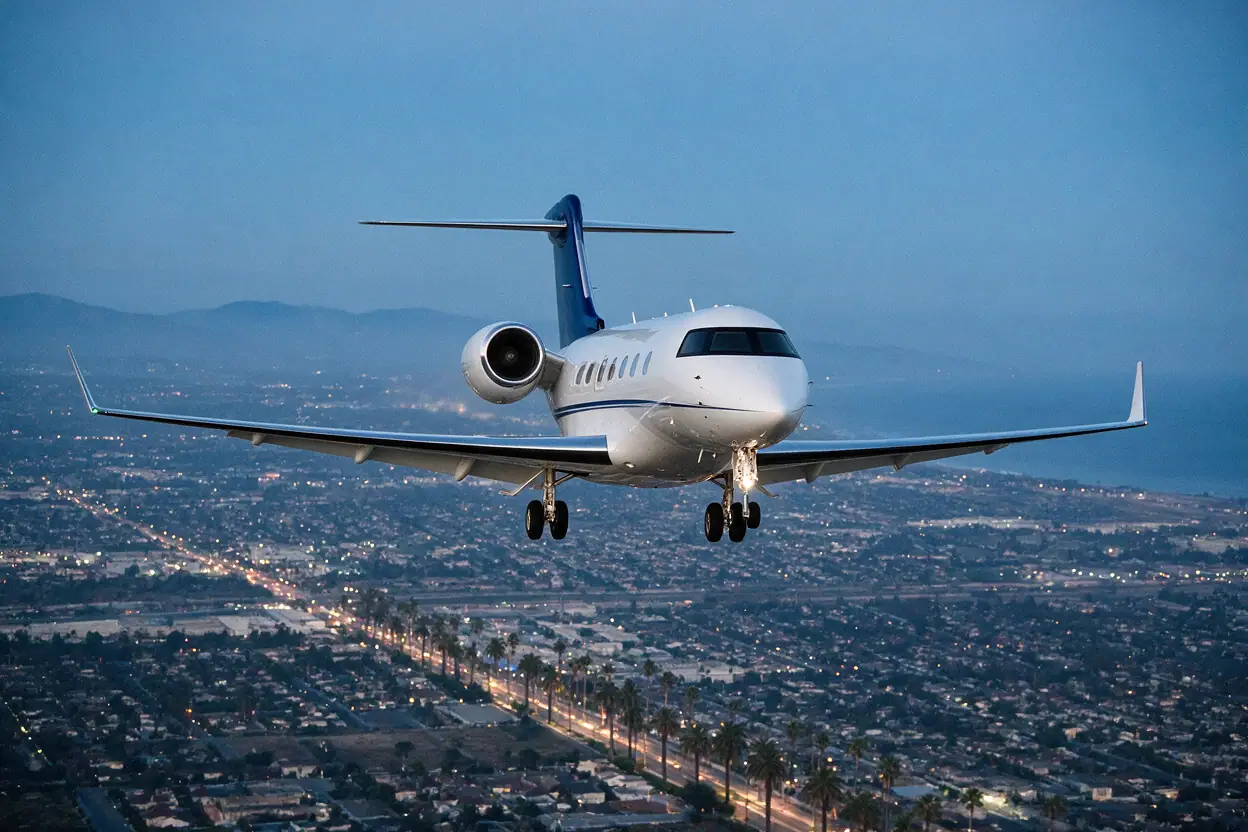
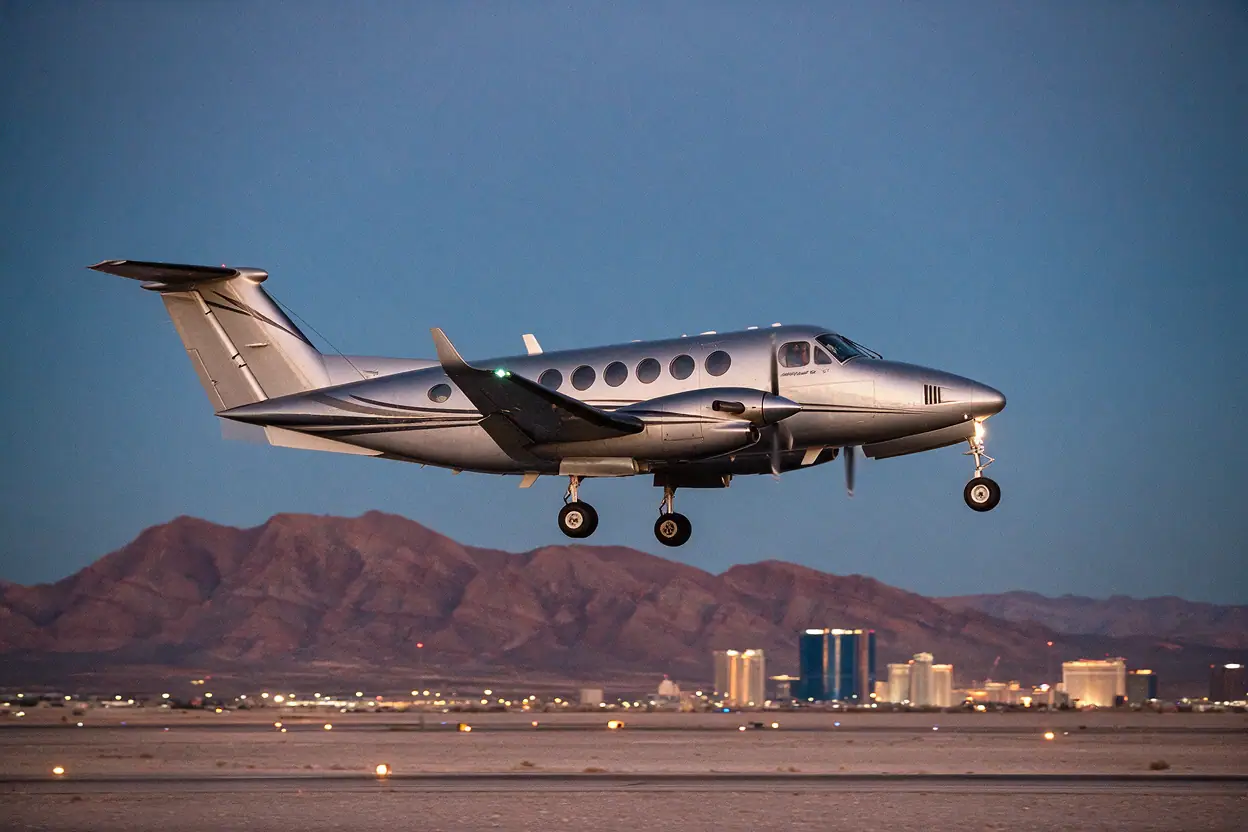
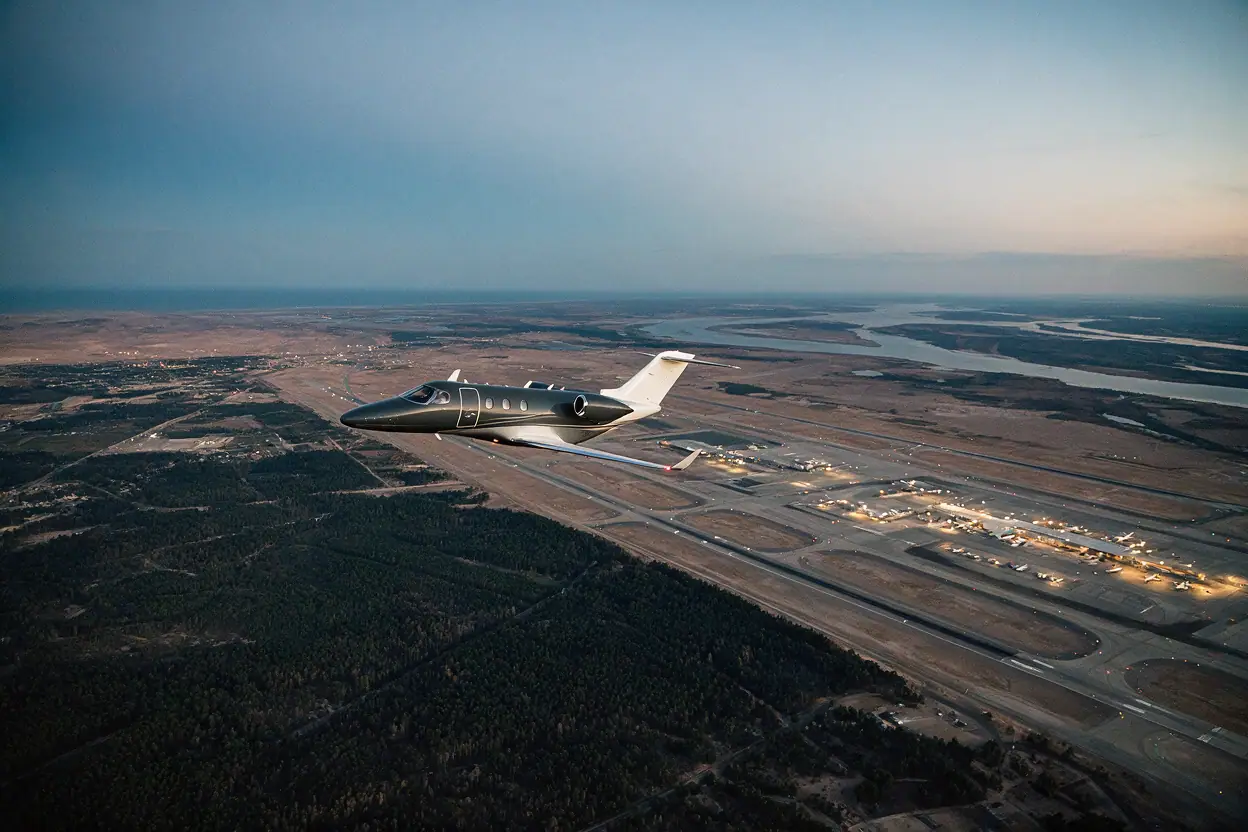
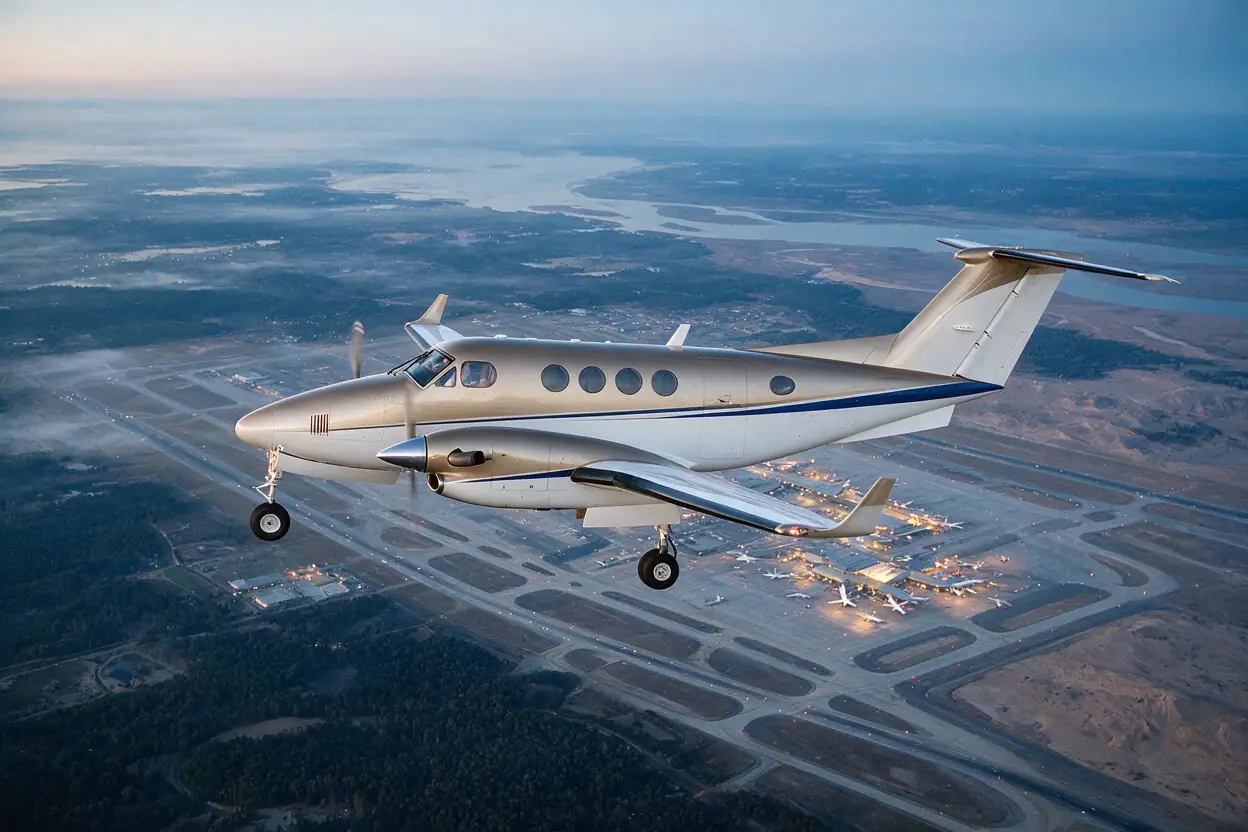
Super-midsize jet charter durations and fares by route
On a super-midsize jet, these 11 routes take 0h 31m to 5h 15m, with single-leg estimates ranging $7,200 to $52,500.
| Trip | Dur. | One-way est. |
|---|---|---|
| New York → Miami | 2h 25m | $17,500–$24,000 |
| New York → Los Angeles | 5h 03m | $36,500–$50,500 |
| Los Angeles → Las Vegas | 0h 45m | $7,200–$10,000 |
| New York → Palm Beach | 2h 19m | $16,500–$23,000 |
| Los Angeles → San Francisco | 0h 55m | $7,200–$10,000 |
| New York → Las Vegas | 4h 37m | $33,500–$46,000 |
| San Francisco → Las Vegas | 1h 06m | $8,000–$11,000 |
| Denver → Aspen | 0h 31m | $7,200–$10,000 |
| Houston → New York | 3h 03m | $22,000–$30,500 |
| Dallas → New York | 2h 58m | $21,500–$29,500 |
| Los Angeles → Honolulu | 5h 15m | $38,000–$52,500 |
FAQ
What is the hourly cost of a super-midsize jet?
Plan on $7,200 to $10,000 per flight hour for the whole aircraft. That band reflects the airframe, crew and fuel across the class, and it moves with the market. A 2h 25m New York to Miami leg falls at the low end of the total, quoting $17,500 to $24,000, because fixed airport fees weigh more heavily on a short trip.
How much does a super-midsize jet cost from New York to Los Angeles?
A nonstop crossing at 5h 03m typically quotes $36,500 to $50,500 for the aircraft. The 3,200 nautical mile range covers the 2,129 mile route with room to spare, so no fuel stop is needed. Westbound headwinds can add time, and the quote follows scheduled flight time rather than distance alone.
How many passengers fit on a super-midsize jet?
Between 8 and 10 depending on the airframe. The Challenger 350 seats 10 and the Gulfstream G280 seats 9. Baggage is where they part company: 106 cubic feet against 154. If the group sits at the top of that range with luggage for a week, then the larger bay should drive the aircraft choice.
Can a super-midsize jet fly from Denver to Aspen nonstop?
Yes. The 96 nautical mile leg takes about 31 minutes and quotes $7,200 to $10,000. Mountain airports and winter weather affect both the approach and the schedule, so build slack into a ski-day plan. If a storm closes the field, then the estimate will not cover a diversion, so ask how that is handled before booking.
What pushes the super-midsize jet cost up?
Fuel, crew duty time and airport fees are the three levers. A long flight day can require an extra crew member, which raises the hourly figure. Landing and handling at busy fields adds a few thousand dollars. Holiday weeks and short-notice requests tighten aircraft supply, so expect the quote near the top of the band then.
Is a super-midsize jet worth the cost over a midsize?
It depends on the leg and the group. On a 45-minute Los Angeles to Las Vegas hop, the $7,200 to $10,000 quote buys cabin you may not need. On a 5-hour crossing with eight passengers and luggage, standing headroom and range change the day, so compare both classes on your actual route first.